Can Fotona Laser Treatments Help You Age Gracefully?
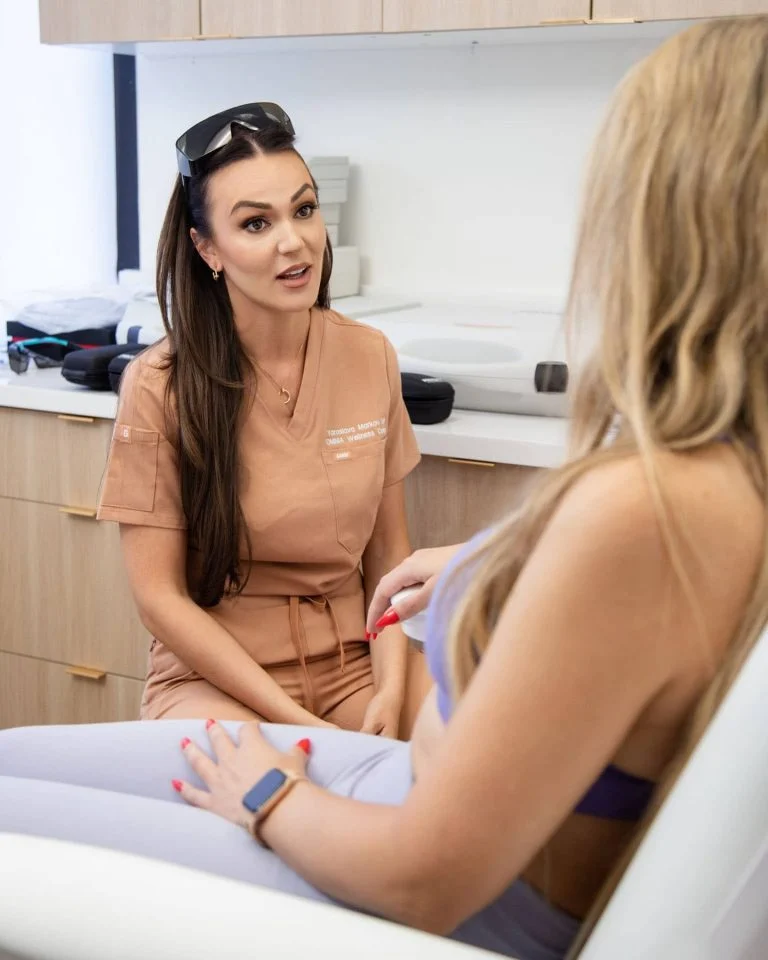
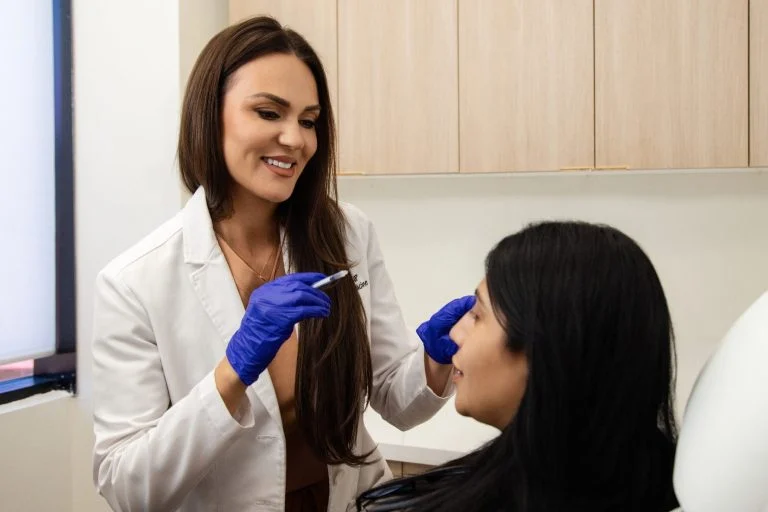
Aging gracefully means different things to different people. For some, it is about softening lines without looking altered. For others, it is restoring tone, brightness, and firmness after years of sun exposure, hormonal changes, stress, and simple biology. Most people are not chasing perfection. They want to look rested, healthy, and recognizably themselves.
That distinction matters when discussing laser treatments, especially https://www.google.com/maps?cid=15747598012322768060 a platform like Fotona. Patients often arrive with a practical question rather than a cosmetic fantasy: can this actually help, and if so, what kind of help are we talking about? The honest answer is yes, Fotona Laser Treatments can play a meaningful role in aging gracefully, but only when expectations are realistic, the treatment plan fits the skin in front of you, and the provider understands both the technology and the limits of technology.
Laser rejuvenation is not a magic eraser. It is a tool, and a good one, for improving texture, tone, laxity, fine lines, acne scarring, enlarged pores, and certain signs of photoaging. Some Fotona protocols also target deeper tissue remodeling and can be used in ways that support collagen production over time. What that means in day to day terms is subtle tightening, smoother skin, better light reflection, and a fresher appearance that often reads as healthier rather than obviously treated.
What makes Fotona different from many other laser platforms
Fotona is a laser system known for combining two wavelengths, Er:YAG and Nd:YAG, in ways that allow practitioners to treat both the surface and deeper layers of the skin. That flexibility is part of why the platform has earned a strong reputation in aesthetic medicine. It can be adjusted for ablative and non-ablative work, lighter refresh treatments, deeper resurfacing, and even internal tissue tightening in certain protocols.
For a patient, the technical language matters less than the practical implications. A versatile laser platform gives the clinician more than one way to approach a problem. If someone has crepey lower eyelids, diffuse redness, mild sagging around the jawline, and rough texture from years of sun, a one-note device may only address part of the picture. Fotona can often be used in layered treatment plans that address several elements of aging at once, though not always in a single appointment.
That versatility is one reason experienced practitioners value it. Aging rarely shows up as one isolated issue. It appears as a cluster of changes, thinner epidermis, slower cell turnover, collagen loss, pigment irregularity, and reduced elasticity. Treatments that can address several of those shifts tend to produce the most natural-looking results.
Aging gracefully is less about “looking younger” and more about tissue quality
The phrase “look younger” gets overused. In practice, many of the most satisfying outcomes come from improving skin quality rather than chasing decades. Better skin quality changes how the face catches light. It softens the tired look that comes from rough texture and laxity. It can make makeup sit better or reduce the need for it altogether.
This is where Fotona Laser Treatments often shine. They are frequently used to stimulate collagen remodeling, refine the skin surface, and support tightening without the frozen or overfilled appearance some people want to avoid. A person in their late thirties with early laxity may notice a firmer feel and brighter complexion. Someone in their fifties may see more modest tightening but significant gains in texture and fine lines. A person in their sixties or seventies may still benefit, especially if their goal is skin refinement rather than a surgical-level lift.
That difference in goals is important. Lasers can improve the canvas. They do not reposition deep facial structures the way surgery can. When people understand that, they are usually much happier with the process.
What concerns Fotona can realistically improve
A thoughtful consultation usually starts with identifying the type of aging changes present. Fine lines behave differently from static folds. Skin laxity is not the same as pigmentation. A laser that helps one may only partially improve another.
In the right hands, Fotona treatments are often used for concerns such as:
- Fine lines around the mouth and eyes
- Uneven skin texture and enlarged pores
- Mild to moderate skin laxity
- Sun damage and dullness
- Acne scarring and superficial irregularities
Even within those categories, response varies. A smoker with deep vertical lip lines and significant volume loss will not respond the same way as a forty-two-year-old with mild textural change. A patient with substantial jowling may see some tightening, but not enough to replace a lower facelift. Good medicine depends on matching the intervention to the problem instead of forcing the problem to fit the device.
The treatments most people hear about
Fotona has several branded protocols, and one of the better known is SmoothEye for the delicate eye area. There is also the so-called 4D approach, which combines different treatment modes to address skin tightening, volumization effects through collagen stimulation, and surface improvement. The names are useful for marketing, but what matters is not the label. What matters is how the treatment is customized.
The eye area is a good example. Aging around the eyes often involves crepey skin, fine wrinkling, and some degree of lid laxity. Many people are not ready for blepharoplasty, and topical products do not do very much. A carefully selected Fotona protocol can help tighten and smooth the area. It will not remove large fat pads or dramatic hooding, but for the right patient it can noticeably improve the quality of the skin.
Perioral aging tells a similar story. The area around the mouth tends to reveal age quickly because it moves constantly, receives years of sun exposure, and loses collagen and structural support over time. Some laser protocols can soften smoker’s lines and improve texture, particularly when combined with sensible skincare and, in some cases, complementary treatments such as a conservative amount of filler. Used judiciously, the result can be elegant rather than obvious.
What treatment feels like, and what recovery really looks like
One reason people hesitate around lasers is uncertainty about downtime. That concern is fair. “No downtime” is one of the most abused phrases in aesthetics. Most effective treatments carry some trade-off, whether that is redness, swelling, flaking, or a few days of social inconvenience.
With Fotona, downtime depends on the settings and the specific protocol. Some non-ablative or lighter tightening treatments may leave the skin pink and mildly puffy for a day or two. More aggressive resurfacing can involve several days of redness, dryness, and shedding, sometimes longer. Around the eyes, temporary swelling can be noticeable. For patients with busy work schedules, this needs to be discussed honestly and in advance.
Discomfort also varies. Some sessions feel warm and prickly. More intensive treatments can sting enough to warrant topical numbing, cooling, or other comfort measures. Most patients tolerate the process well when they know what to expect. Anxiety tends to drop when the provider explains, in plain language, what the skin will look like on day one, day three, and day seven.
A small but useful practical point: after laser treatment, people often underestimate the importance of recovery behavior. Hot yoga, sun exposure, active skin care ingredients, vigorous workouts, and picking at flaking skin can all make healing less predictable. Results do not depend only on what happens in the treatment room.
Why the provider matters as much as the platform
Patients often shop by device name, and that makes sense up to a point. Technology matters. Still, there is a reason outcomes vary dramatically between clinics using the same machine. Laser medicine is not push-button medicine.
A skilled provider knows how to read skin thickness, pigment level, degree of sun damage, rosacea tendency, scarring history, healing capacity, and tolerance for downtime. They know when to be aggressive and when restraint will produce a safer, better-looking result. They also know when not to treat.
That last point deserves more attention. Not every patient is a good laser candidate at a given moment. Someone with a recent tan, an active skin infection, poorly controlled melasma, a history of abnormal scarring, or unrealistic expectations may need to postpone or choose a different approach. Responsible practitioners say no when no is the correct answer.
It is also worth noting that darker skin tones require particular care with any energy-based treatment because the risk of post-inflammatory hyperpigmentation can be higher depending on the device, settings, and indication. This does not mean treatment is off the table. It means expertise matters even more.
How many sessions does it take?
This is one of the first questions patients ask, and with good reason. A treatment that sounds promising is less appealing if it requires endless maintenance. The answer depends on the goal. A light refresh may be done as a series of two to four sessions. A more intensive resurfacing plan may involve fewer sessions with more recovery. Maintenance once or twice a year is common for people who want to sustain results, particularly if they continue to age, spend time in the sun, or prefer gradual improvements over dramatic interventions.
There is no universally correct schedule. In practice, graceful aging usually comes from a long-view approach. Instead of trying to undo everything in one visit, many people do better with periodic collagen-stimulating treatments, sound skin care, and sun protection. The cumulative effect can be impressive because the skin stays in better condition over time.
One pattern that often produces disappointment is doing an excellent laser treatment and then abandoning the basics. If sun protection is poor, smoking continues, sleep remains chronically inadequate, and the skin barrier is neglected, the benefits fade faster. Lasers can improve tissue, but they cannot outwork daily habits forever.
Who tends to be happiest with Fotona Laser Treatments
The happiest patients are usually the ones who want refinement more than reinvention. They appreciate gradual improvement. They are willing to follow aftercare. They understand that tightening and resurfacing are different from filling and lifting. They prefer results that friends notice without immediately guessing why.
People with early to moderate signs of aging often do especially well. That does not mean older patients cannot benefit, only that severe laxity and deep structural changes respond differently. Someone with thin, sun-damaged skin and fine etched lines may love the improvement in texture. Someone expecting a laser to erase a decade of volume loss may feel let down unless the treatment plan includes other modalities.
The emotional side matters too. Patients who seek treatment from a place of curiosity and self-care usually tolerate the process better than those driven by panic after seeing an unflattering photo. Cosmetic medicine tends to work best when it supports a person’s baseline confidence rather than trying to manufacture it.
Where lasers fit among other anti-aging options
No single treatment owns the category of graceful aging. Good plans are often blended. Neuromodulators reduce dynamic expression lines. Filler can restore selective volume loss. Biostimulators may support collagen in another way. Surgery addresses deeper sagging when it becomes pronounced. Skin care maintains barrier function, pigment control, and overall quality.
Fotona fits into this landscape as a collagen-supporting, texture-improving, sometimes tightening option that can either stand alone or complement other treatments. In a well-designed plan, it can reduce the amount of filler someone feels they need because better skin quality already makes the face look healthier. That is an underappreciated benefit. Not every age-related concern should be solved with volume.
A common real-world scenario is the patient who has been receiving small amounts of filler for years and starts to feel their face looks puffy rather than refreshed. Often the issue is not that filler is inherently wrong. It is that volume was used to compensate for problems better addressed by skin tightening or resurfacing. In these cases, laser treatments can help rebalance the overall strategy.
Questions worth asking before booking
A good consultation should leave you better informed, not simply sold to. If you are considering Fotona Laser Treatments, a short set of questions can quickly reveal whether the clinic thinks carefully or operates on autopilot.
- Which specific concerns of mine do you think this laser will improve, and which will it not?
- What kind of downtime should I realistically plan for?
- How many sessions do you expect I may need for my goals?
- What risks are most relevant for my skin type and medical history?
- Do you have before and after examples of patients with concerns similar to mine?
Notice the emphasis here. Not “Do you have dramatic transformations?” but “Do you have comparable cases?” That is a more useful benchmark. A subtle, natural result on someone with similar skin and similar goals tells you far more than the most spectacular photo in the folder.
Risks, limitations, and the part few ads mention
Every effective treatment comes with potential downsides. With lasers, these can include redness that lasts longer than expected, swelling, acne flare-ups, temporary or sometimes prolonged pigment change, sensitivity, and in rare cases scarring or infection. The absolute risk may be low in experienced hands, but low is not zero.
There are also softer limitations that matter just as much. Cost is one. Laser treatments are not usually one-and-done, and maintenance adds up. Time is another. Even when downtime is modest, appointments, healing, and sun avoidance require planning. Finally, there is variability. Biology is stubbornly individual. Two people can do the same treatment and heal differently.
This is why I tend to trust clinics that speak plainly about uncertainty. Skin is living tissue, not drywall. It responds according to age, vascularity, hormones, genetics, medication use, immune function, previous sun damage, and healing behavior. Ethical providers account for that instead of promising precision they cannot guarantee.
The role of skin care after treatment
Laser results rarely stand alone. They are amplified or undermined by what comes next. After the skin heals, a sensible home routine usually does more than expensive clutter. Daily sunscreen is the non-negotiable piece. Without it, photoaging continues at full speed, and fresh post-laser skin can become more vulnerable to pigment issues.
Barrier-supportive moisturizers, well-selected antioxidants, and retinoids introduced at the right pace often help preserve gains. That said, timing matters. Jumping back into strong acids or prescription retinoids too soon can irritate healing skin and compromise recovery. Most good clinics provide a post-treatment plan that is boring in the best possible way, gentle cleansing, hydration, strict sunscreen, and patience.
If someone wants the greatest return on laser investment, I would argue for consistency over complexity. A calm, protected skin barrier ages better than skin that is constantly being over-treated at home.
So, can Fotona help you age gracefully?
For many people, yes. It can improve the visible quality of aging skin in ways that read as subtle, polished, and believable. It can soften fine lines, refine texture, stimulate collagen, and provide mild to moderate tightening depending on the protocol and the starting point. It can be especially useful for patients who want to look fresher without relying entirely on injectables or jumping straight to surgery.
The key is understanding what graceful aging actually asks of a treatment. It does not ask for fantasy. It asks for proportion, restraint, and tissue health. Fotona Laser Treatments can support that beautifully when the indications are right and the treatment is performed by someone who knows how to use the device with judgment.
If your goal is to look like yourself on your best-rested, healthiest day, a well-planned laser strategy may be one of the smartest investments you can make. If your goal is to erase every sign of age, no laser is likely to satisfy you for long. Graceful aging is not about winning a fight with time. It is about working with your skin intelligently, respecting its biology, and choosing treatments that enhance rather than overpower your face. On that front, Fotona has earned its place.
OMNIA Wellness Center
Address: 16430 Ventura Blvd Ste 207, Encino, CA 91436
Phone number: +18183868511
FAQ About Fotona Laser Treatments
What is a Fotona laser good for?
A Fotona Laser system is a versatile, dual-wavelength medical laser used primarily for non-surgical skin tightening, anti-aging rejuvenation, and dermatological treatments.
How much does the Fotona laser cost?
The cost of a Fotona laser depends heavily on whether you are looking to purchase a laser machine for a medical practice or are a patient seeking a laser treatment at a medspa.
Is a Fotona laser worth it?
A Fotona laser treatment is generally worth it if you want non-surgical skin tightening, improved texture, and collagen stimulation with very little downtime.